
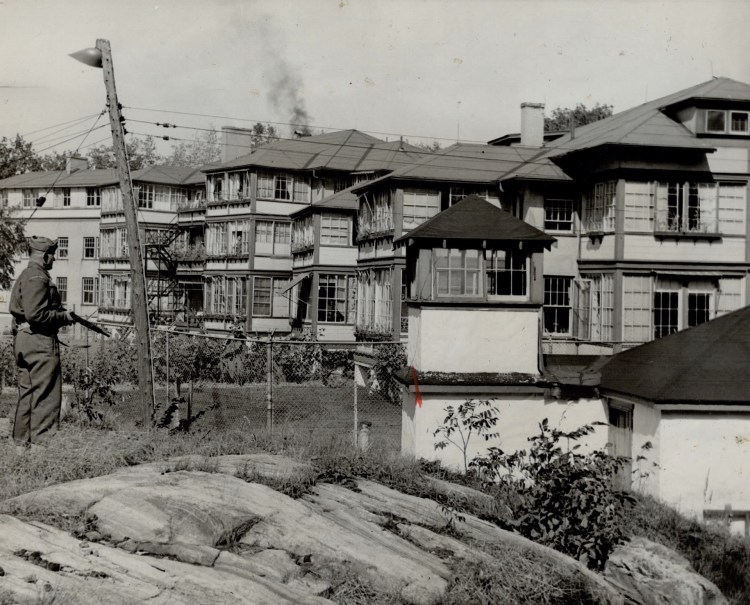
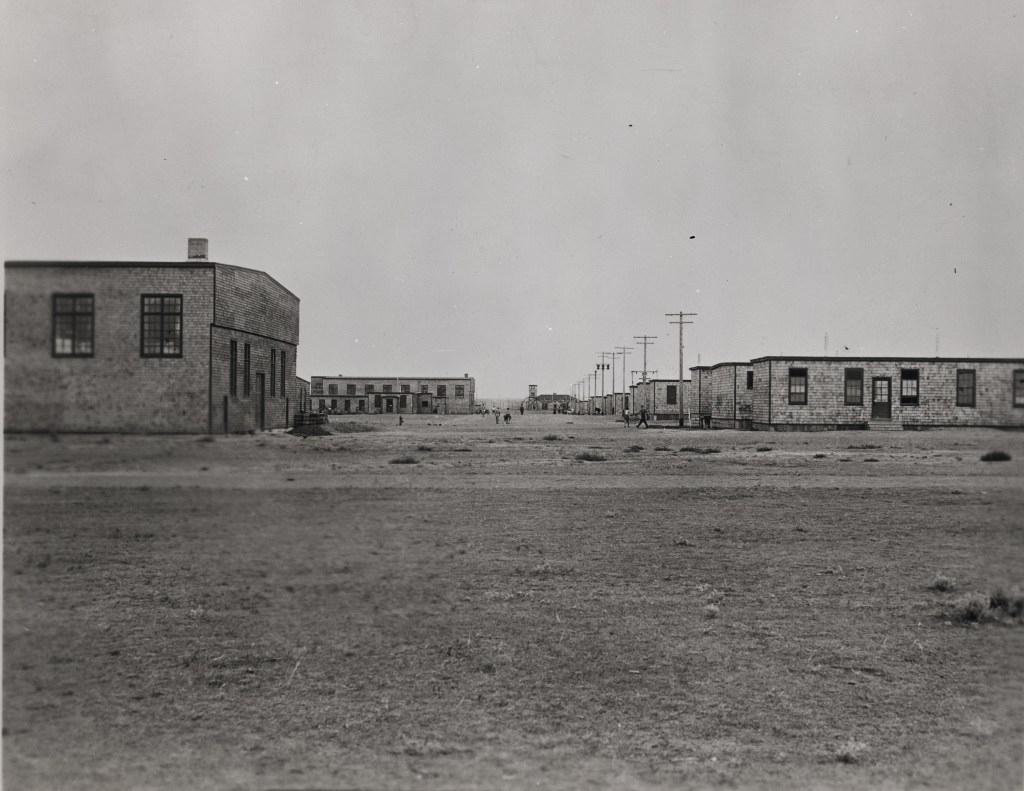
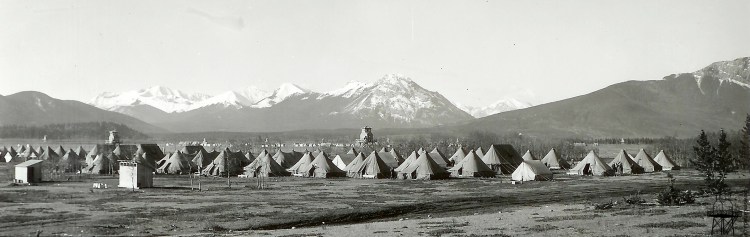
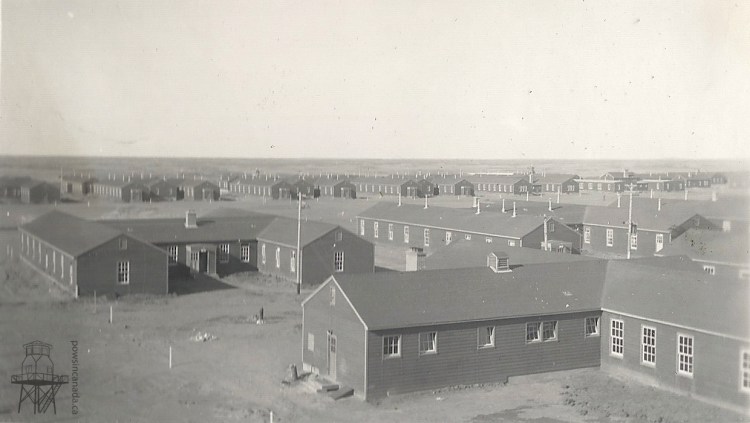
Between 1939 and 1947, Canada operated a series of twenty-eight different internment camps, or prisoner of war camps, from Alberta to New Brunswick.[1] Ranging in capacity from a few hundred to over 12,000 prisoners of war (POWs), these camps held German combatant prisoners (officers and other ranks), German and Italian Enemy Merchant Seamen (EMS), and Civilian Internees of German, Italian, and Japanese descent.[2] Many camps were converted from existing facilities – like a pulp and paper mill, a sanatorium, and government forest research stations – while others were purpose-built facilities.
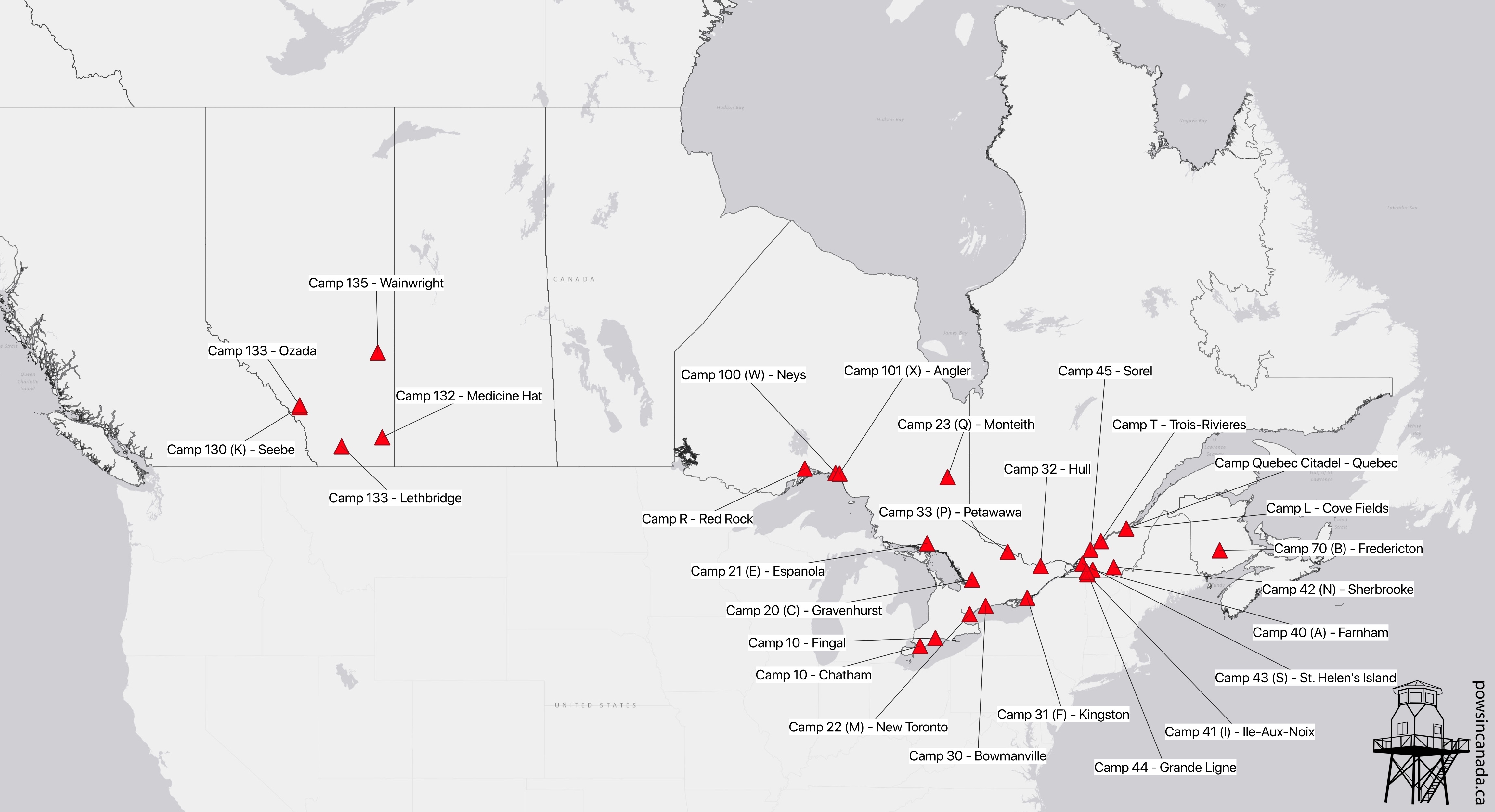
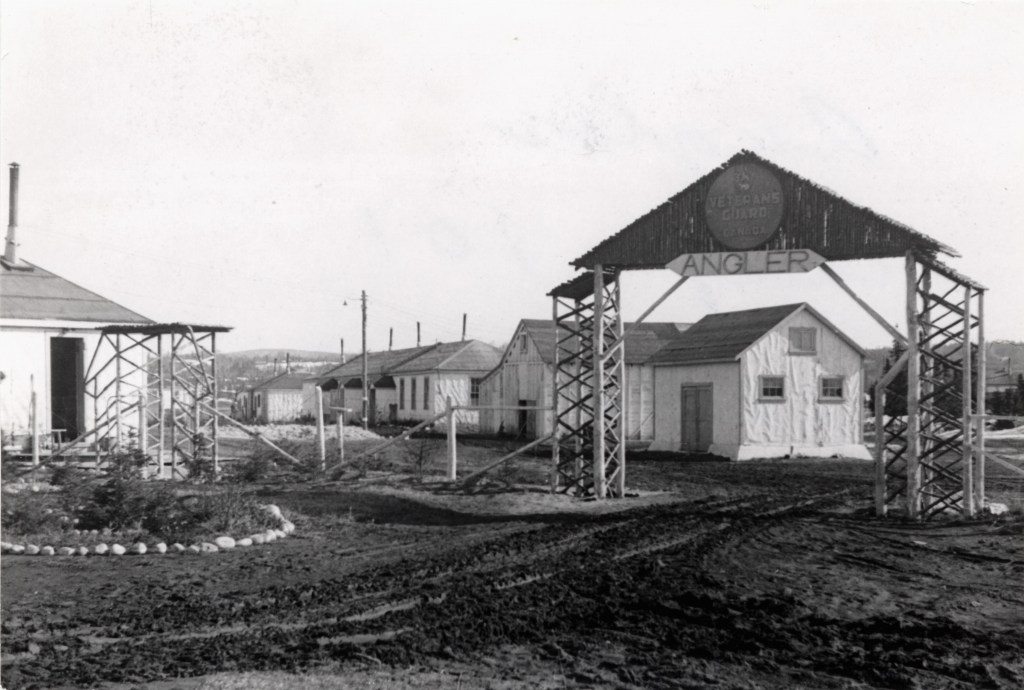
Internment camps were initially identified by a letter designation that generally corresponded with the first letter of the closest town or city. Camp R, for example, referred to the camp at Red Rock, Ontario while Camp K was at Kananaskis, Alberta. As the number of camps in the country increased, the letter designations were replaced by a numbered system in the latter half of 1941. The number of the camp was now a combination of the Military District that the camp was located within and an additional digit. Camp X at Angler, for example, became Camp 101. This was a combination of “10” and “1,” the former referring to Military District 10 and the latter to differentiate it from other camps in the district, namely Camp 100 at Neys.
Click on the pictures or text below for to learn more about each of Canada’s Second World War internment camps.






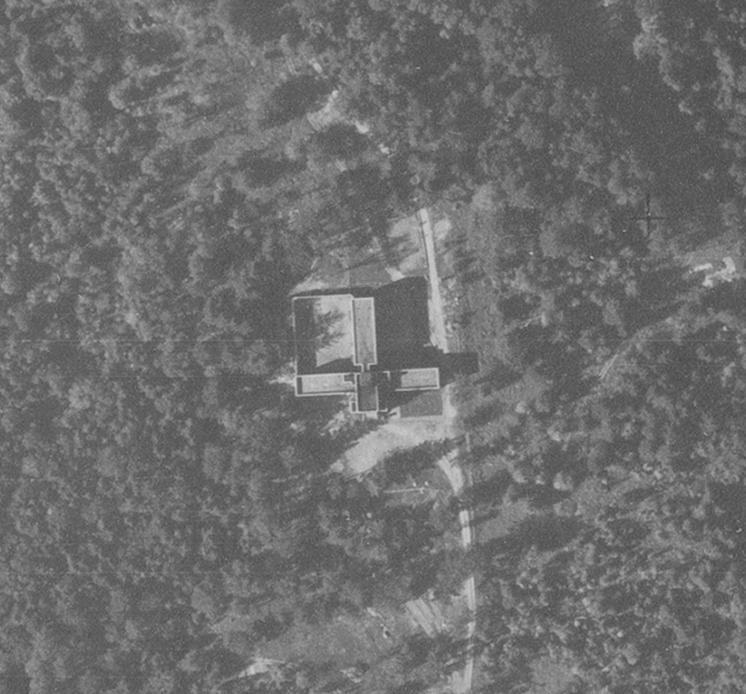
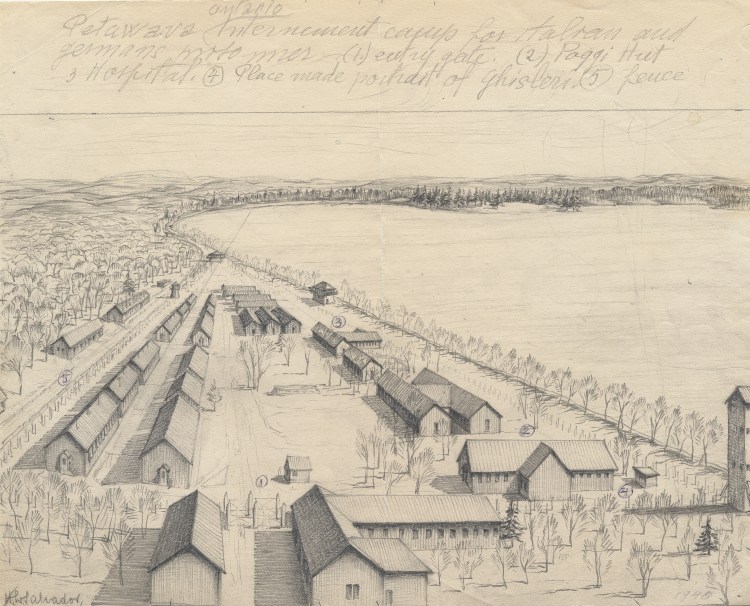

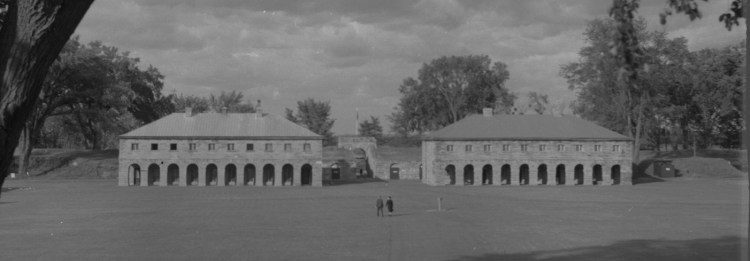


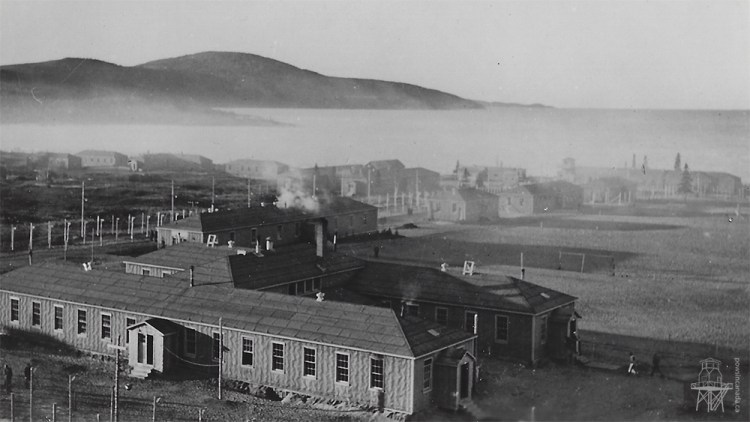


Looking for a camp that isn’t mentioned here? It is likely that the camp you are looking for was a POW labour project, or work camp, rather than an Internment Camp. To learn more about Labour Projects, please click here.
[1] The number of internment camps in Canada during the Second World War has been a matter of same debate, with some sources claiming there up to forty camps and more reliable sources claiming a smaller number, generally twenty-six. Between 1939 and 1947, the Department of National Defence established permanent and temporary internment camps at twenty-eight locations, but two camp numbers (Camp 10 and Camp 133) were re-used following the closure of one camp and the opening of another. These numbers were primarily re-used to ease the administrative transition and, as these camps operated in very different locations under significantly different circumstances, I treat each of these as unique internment camps.
[2] Although thousands of of Japanese-Canadians were interned in or relocated from British Columbia, this was done under the administration of the Department of Labour and the vast majority of these internees did not fall under Canada’s Directorate of Internment Operations. A few hundred Japanese-Canadian men relocated from British Columbia were, however, relocated to internment camps in Ontario were they were administered by the Department of National Defence.
 POWs in Canada