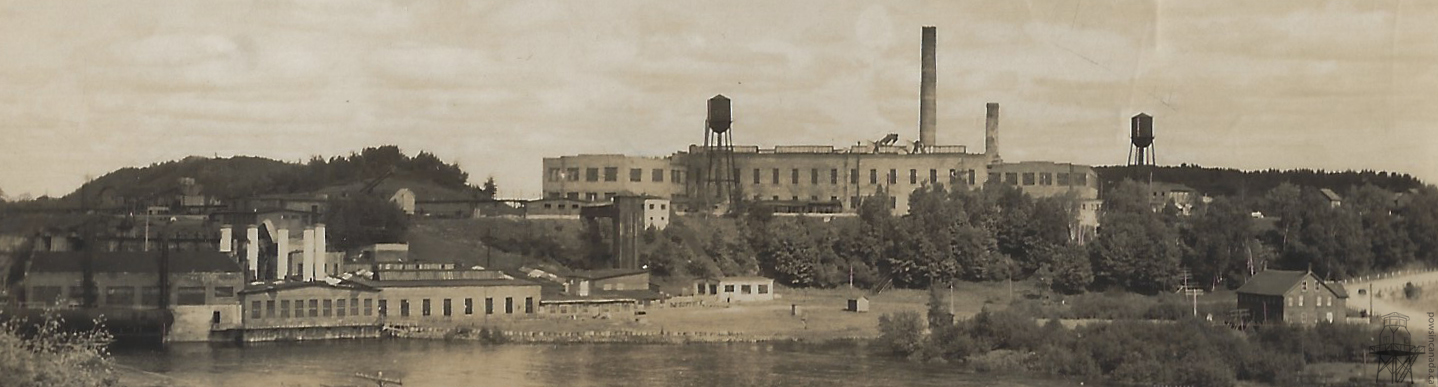
Date Opened: July 1940
Date Closed: October 1943
Capacity: 1,400
Type of POW: Combatant Other Ranks
Description:
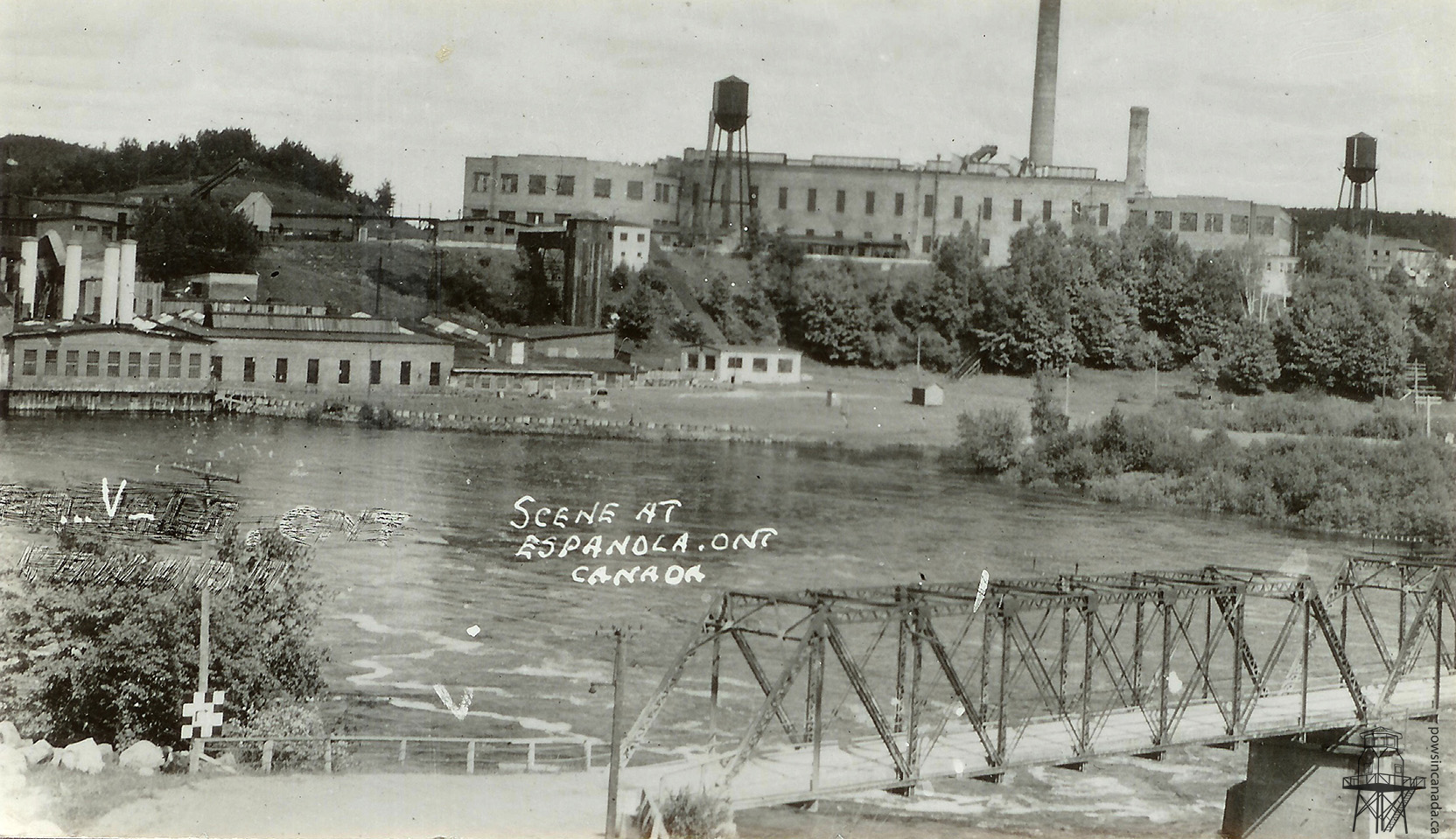
The pending arrival of thousands of combatant Prisoners of War from Great Britain prompted a significant expansion of internment operations in Canada in 1940. Among the sites chosen by the Canadian government for an internment camp was the unused Abitibi Power & Paper Co. Paper Mill at Espanola, Ontario.
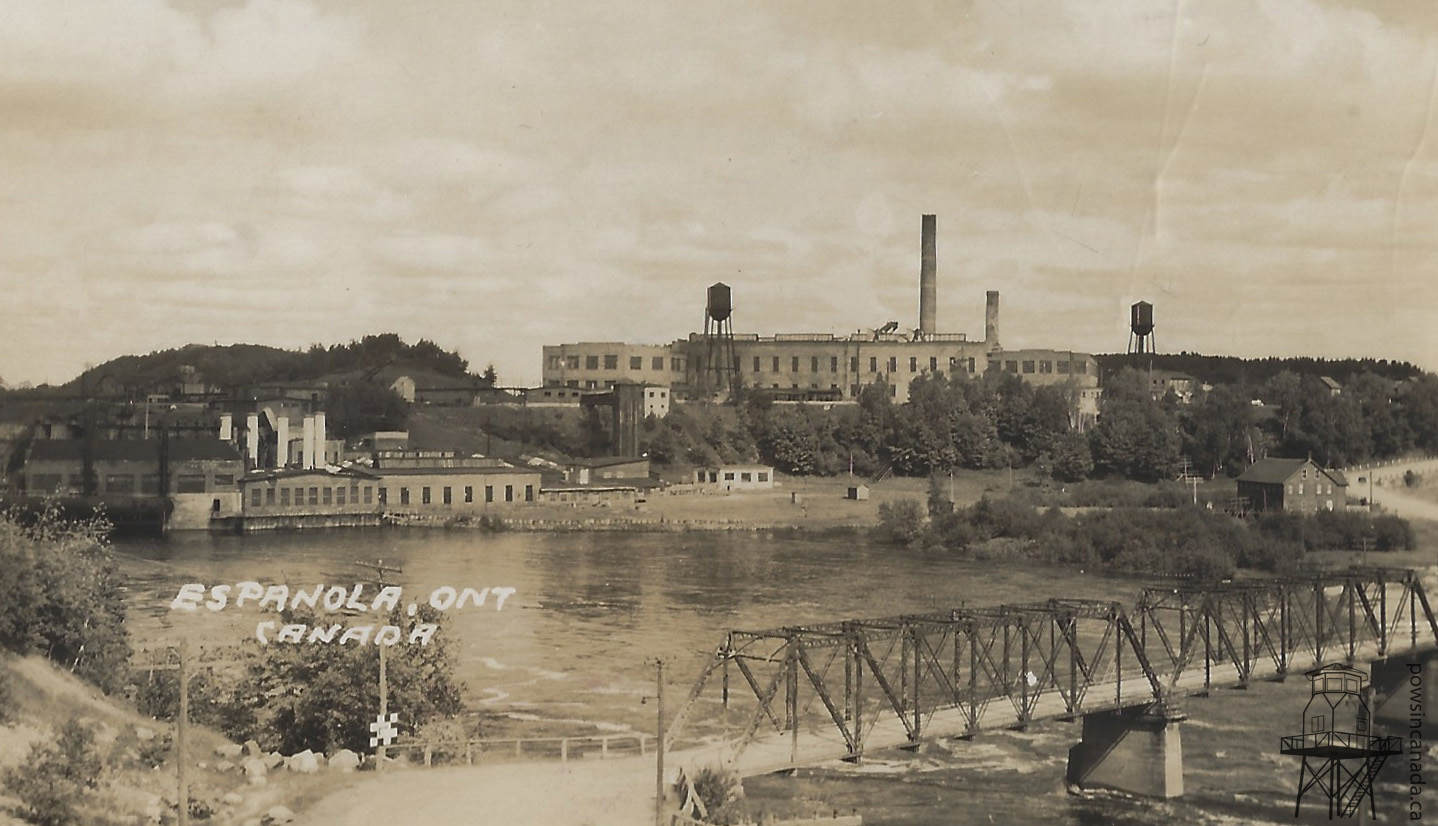
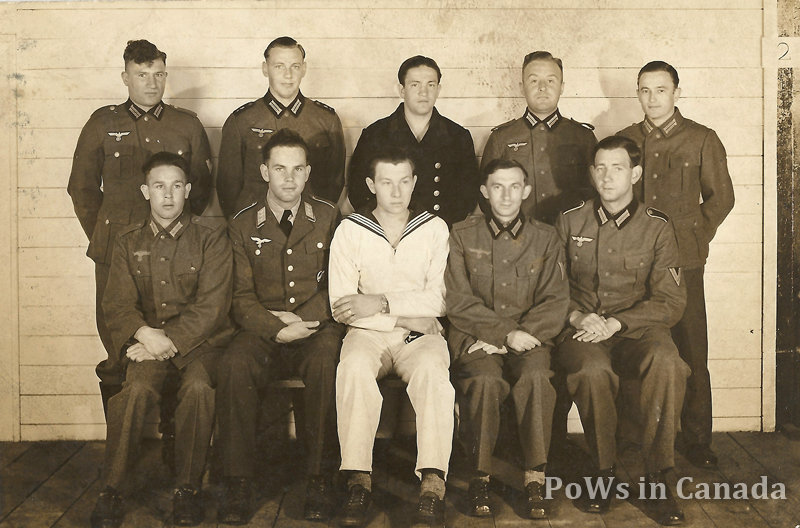
Quickly repurposed to house POWs, the mill became known as “Camp E” and it was soon enclosed with barbed wire fences and guard towers. The first POWs arrived in camp at the end of July 1940 and consisted primarily of German airmen shot down over the United Kingdom, soldiers captured before the Fall of France, and German U-Boat crews captured in the Atlantic. Hundreds more would arrive over the next three years. Security of the camp initially fell to active army regiments like the Ontario Regiment, but the Veterans Guard of Canada soon assumed responsibility of administering and guarding the camp.
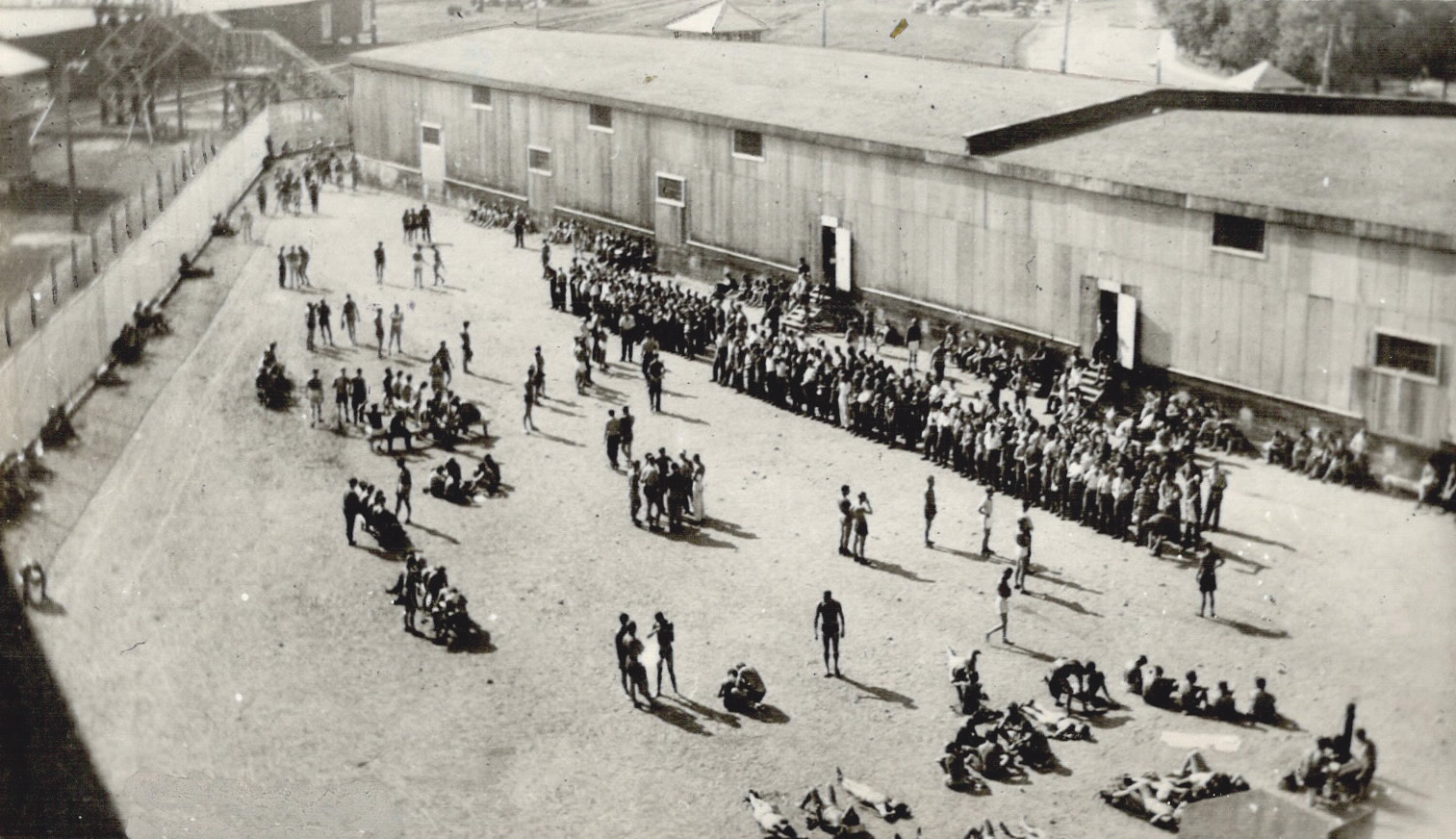
In order to keep the prisoners healthy and active, the camp included a large recreation field connected to the main enclosure via an enclosed walkway. This provided POWs with a place to walk for exercise and to play sports. Football (soccer) remained the most popular during the camp’s existence but the prisoners also engaged in handball, shot-put and discus, boxing, and gymnastics.
In the winter months, prisoners flooded the recreation field and built skating and hockey rinks. Thanks to the acquisition of some 500 pairs of skates, the prisoners put together fifteen hockey teams – each composed of POWs from specific regions of Germany – and competed in a league format. Those choosing to remain indoors continued with boxing, gymnastics, and the ever-popular table tennis.
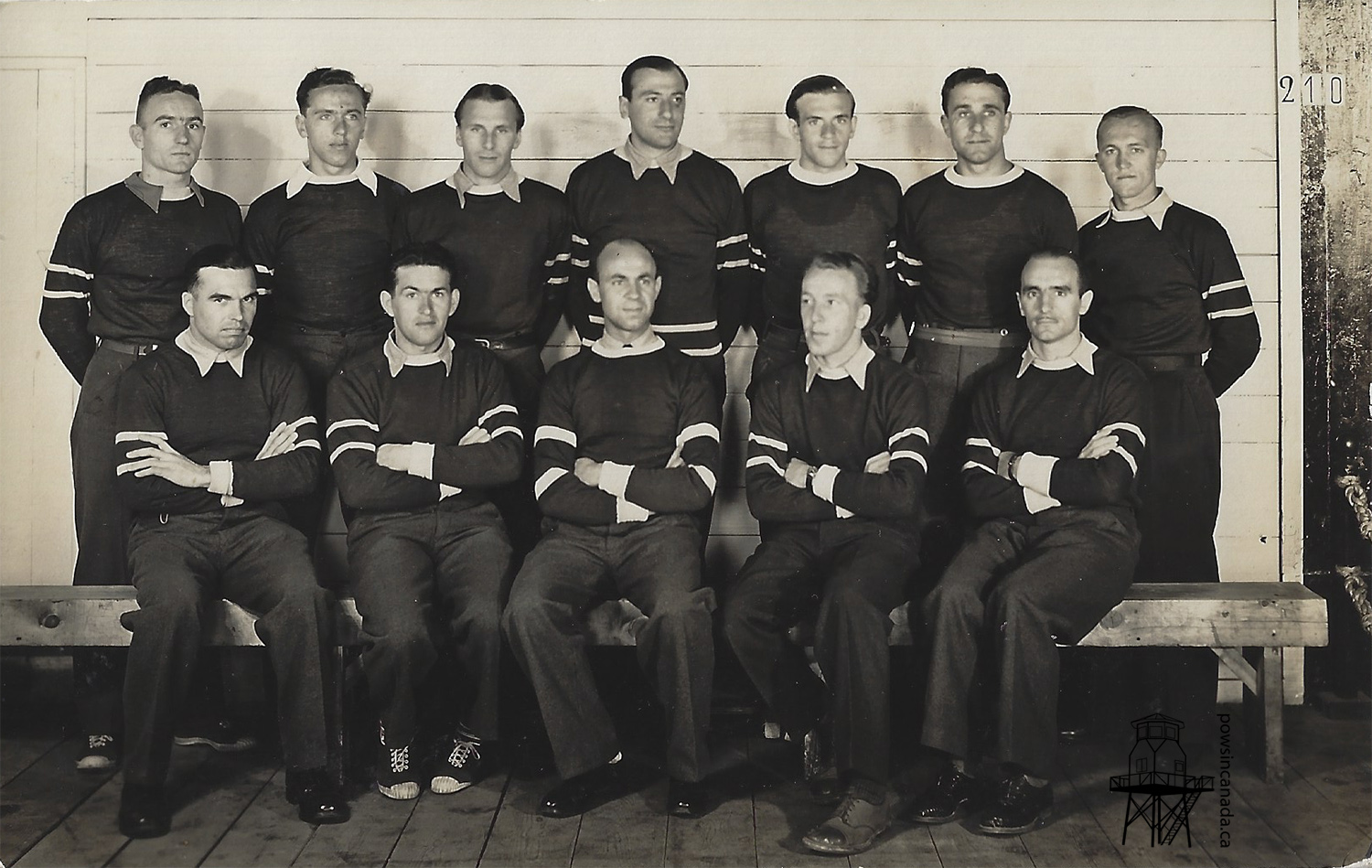
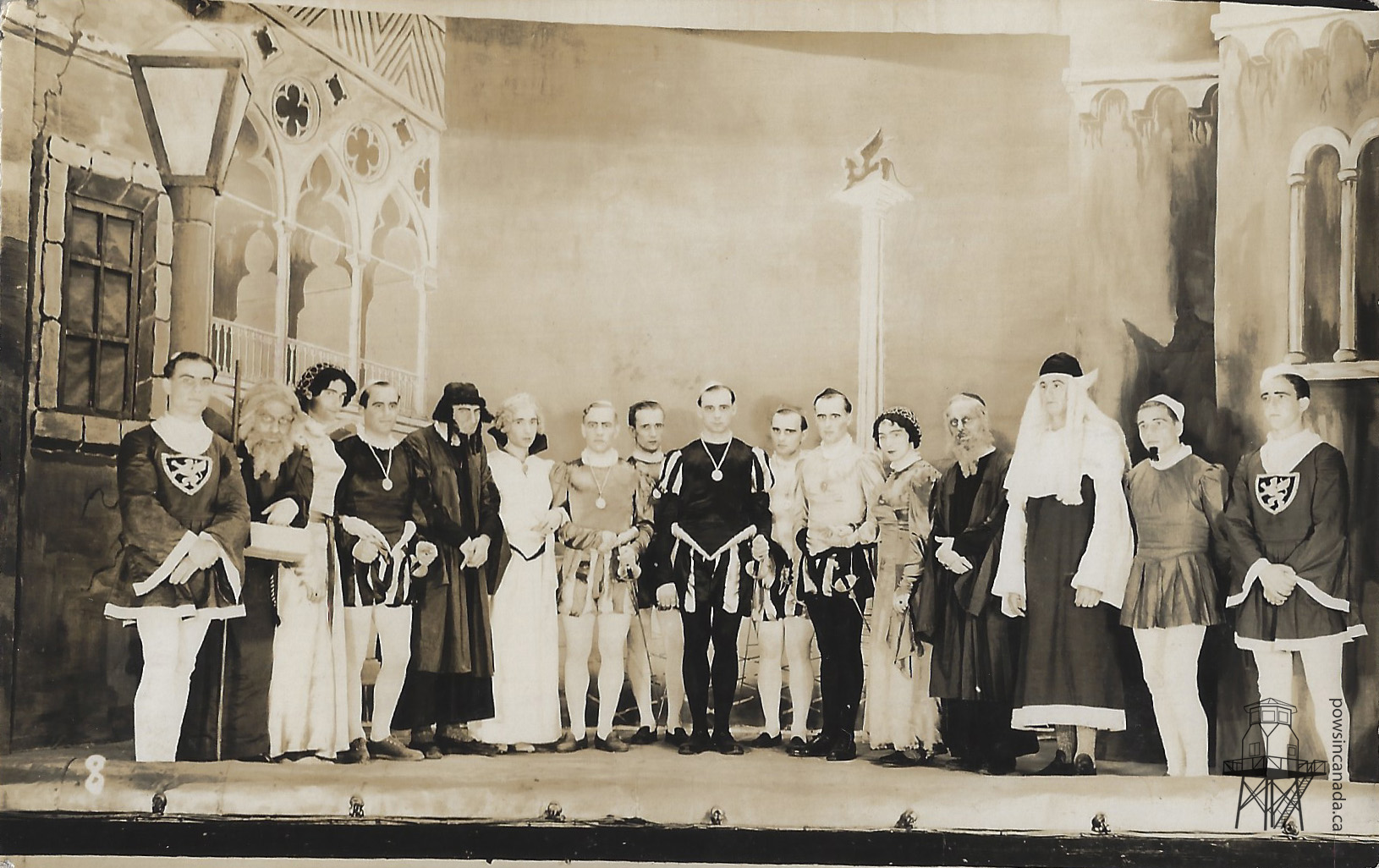
For those less athletically-inclined, there were plenty of other ways to pass their time. Amateur and professional musicians assembled a thirty-two piece orchestra and a ten-man choir while two theatrical groups held regular performances in the dining hall for their comrades. The War Prisoners’ Aid of the YMCA placed the camp on a film circuit and movies became a favourite way of passing the evenings. Some prisoners engaged in art and handicraft, but this work tapered off by late 1942.

The camp also had a library of 3,500 German, 300 English, and 20 French books, largely thanks to donations from the International Committee of the Red Cross, the War Prisoners’ Aid, and the German Red Cross, supplemented with books mailed from friends and family in Germany. With these resources, prisoners started taking courses on languages, geography, biology, mathematics, physics, and agriculture.
In 1942, Canada began work on new, purpose-built internment camps in Alberta. The opening of Camp 133 (Lethbridge) in late 1942 and Camp 132 (Medicine Hat) in 1943 meant there was now sufficient room to accommodate thousands of men in facilities better – and more securely – suited for housing combatants prisoners. This, combined with the Kalamazoo Vegetable Parchment Co.’s acquisition of the mill in 1943, would ultimately hasten the camp’s closure. Most of the prisoners at Espanola were transferred to Camp 133 in May 1943 while the remainder left in August 1943.
In accordance with the site’s lease, nearly all traces of Camp 21 were removed and the mill was returned to its original condition. Several of the camp’s buildings, including some of the guard towers, were declared surplus and purchased by locals to convert into private residences.
After several changes in ownership, the mill was later acquired by Domtar and it remained active until the company announced its indefinite closure in September 2023. While the fate of the mill remains uncertain at the time, the main buildings where hundreds of POWs once lived are still standing and a hand-drawn map painted by a POW can still be found in the basement.
Location:
Pictures:




Further Reading:
- Posts about Camp 21 (Espanola)
- Gallagher, Tim. Espanola POW Camp 21, 1940-1943. n.d. (hosted on Facebook)
 POWs in Canada