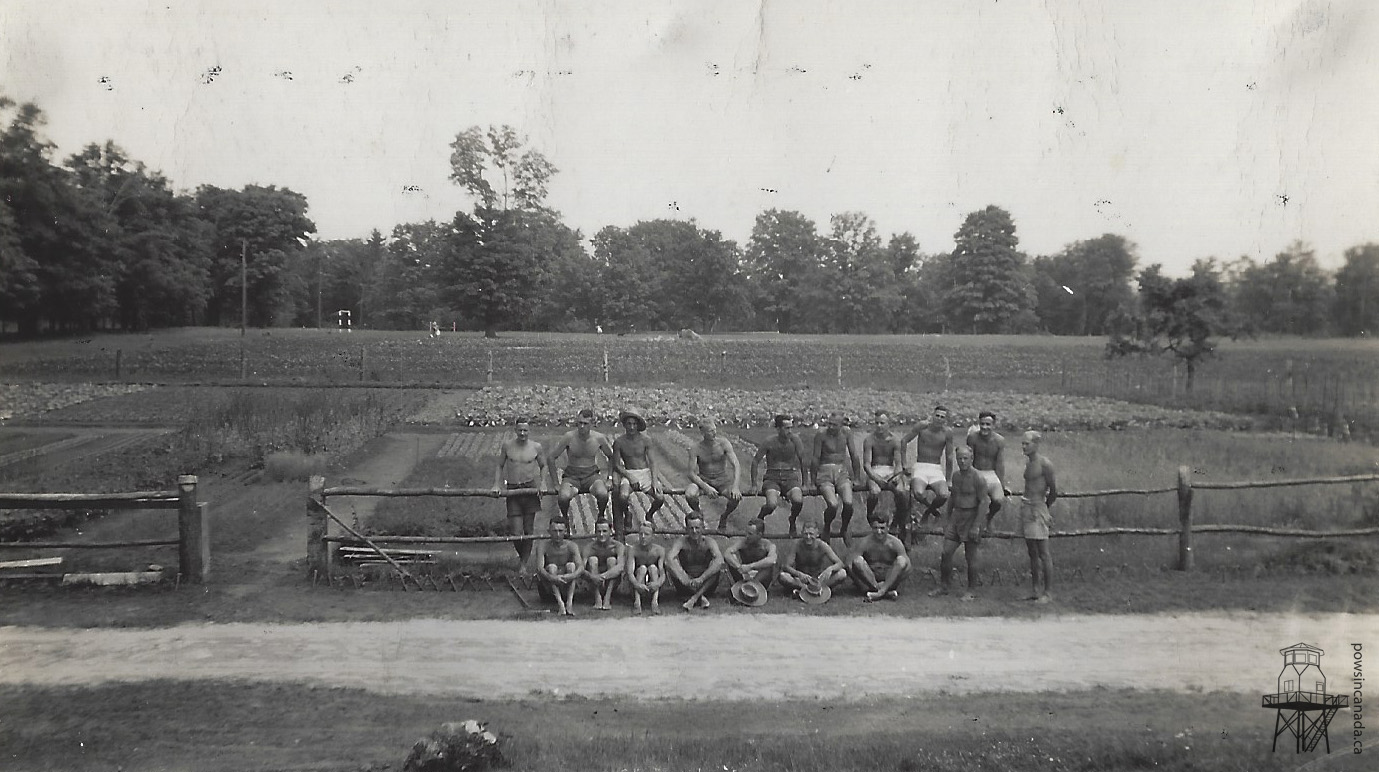
In the Summer of 1945, a few dozen men spent their days working on a small farm along Jones Road just outside Gravenhurst, Ontario. To the average onlooker, this would not have garnered extra attention, but a closer look would reveal something more surprising – these men were German combatant officers from nearby Prisoner of War Camp 20.

Camp 20 opened in June 1940 as an internment camp for German combatant officers on the shore of Muskoka Bay. A former sanitorium, the camp featured better accommodations and facilities than most other camps in Canada, with high-ranking officers enjoying private or semi-private rooms with scenic views of their surroundings. Many prisoners turned to music, theatre, or sport to pass the time, but others wanted opportunities for work. This finally came to fruition in 1944 when German officers began working on a small property northwest of the camp.
The farm program was the brainchild of Camp Commandant Colonel Bradshaw and was part of an effort to help prisoners stay busy to help fight off depression and other side effects of internment. Farming would also allow them to learn new skills, supplement their diet with farm fresh fruits and vegetables, and even use the profits from selling produce to supplement the camp canteen fund.
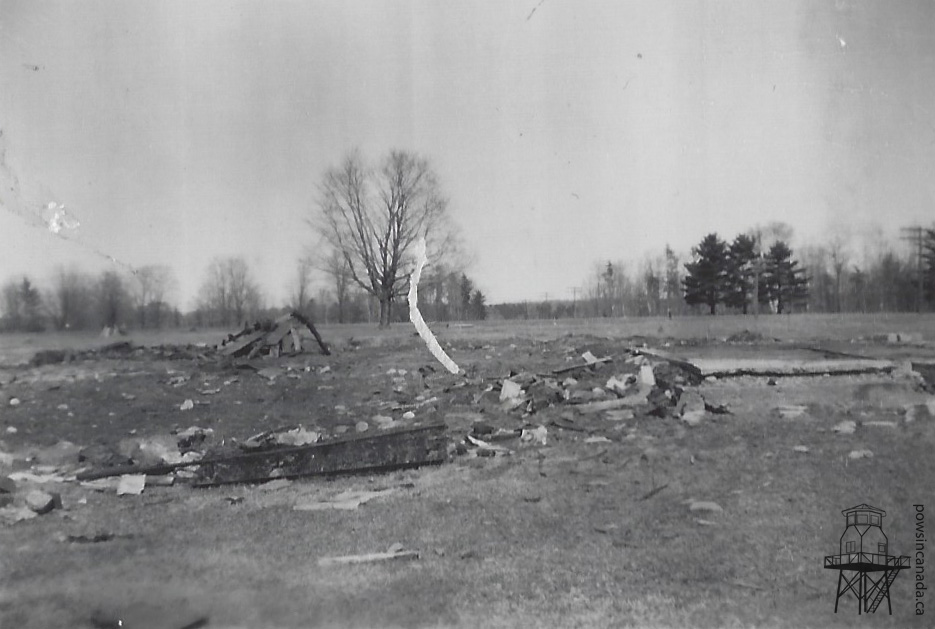
After a short search, camp staff entered an agreement with a local landowner to rent a 150 acre farm within walking distance from camp. Prisoners had to volunteer to work on the farm and agree to do so under parole. Most had no experience in farm work but there were a few farmers among their ranks and even some lecturers who had taught agricultural courses before the war, experience that would prove quite useful.
While volunteers had to give their word that they would not attempt to escape, work parties were still escorted by a small number of guards who kept watch over the property. Bounds were clearly laid and, as long as the prisoners remained within them and adhered to the rules, the prisoners were relatively free to work as they pleased.
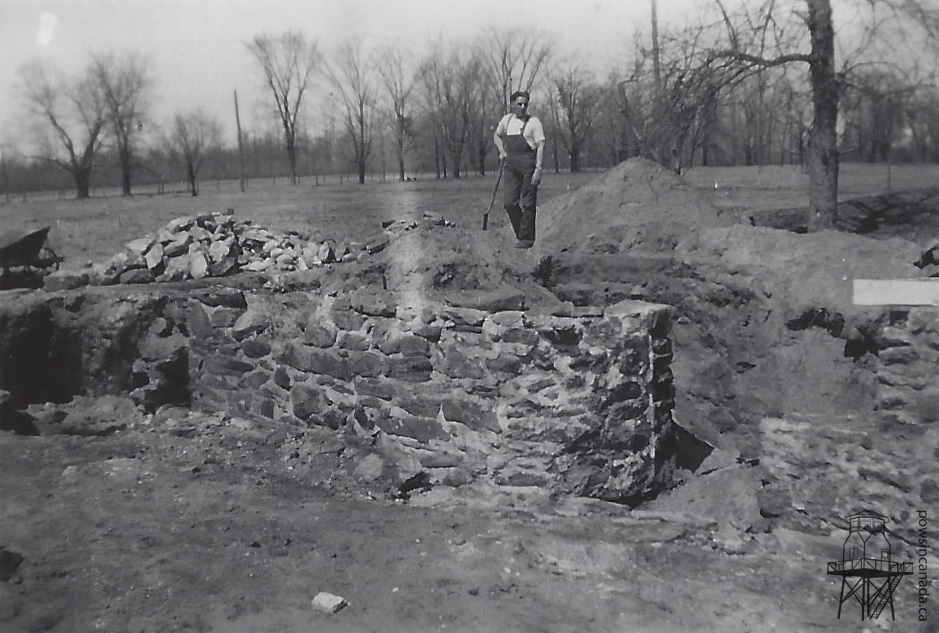
As some prisoners began planning their crops, others set to improving the property. The original farmhouse had recently burned down and, as there were no other outbuildings on the farm, the prisoners began work on a new farmhouse, barn, piggery, and hen house.
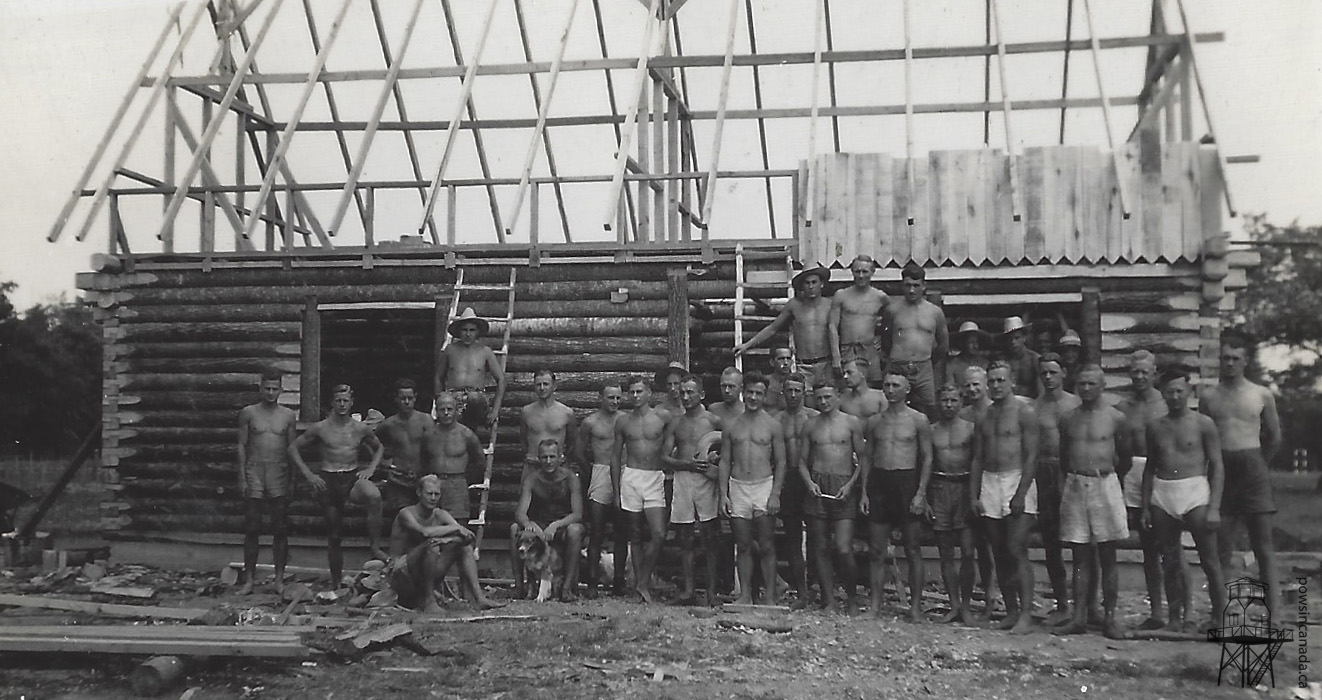

The work was completed in short order and soon the farm was up and running. Seeds were purchased or provided from international aid organizations, like the War Prisoners’ Aid of the YMCA, and prisoners began planting potatoes, beans, tomatoes, Swiss chard, turnips, cabbages, and other vegetables. With help from the camp staff, prisoners used their canteen funds to purchase several pigs, sheep, and chickens as well as three horses – Hannibal, Caesar, and Maxi – to help work on the farm.

With prisoners embracing this relative “freedom,” the farm program proved quite popular and up to 100 POWs could be found working on the farm each day during the summer months, walking to the property in the morning before returning to camp in the evening. As the camp intelligence officer noted, “The P/W find relaxation in sport and in working on their farm. They take great pleasure in their farm activities, and the farm may be described as a show place.”1

The farm was not without its challenges; the property was left unattended at night, prompting some locals to take advantage of the prisoners’ absence. An average of ten to fifty heads of cabbage were stolen each week in the early Fall and the thieves made off with more than forty of the prisoners’ chickens. The biggest setback came in February 1946 when an accidental fire destroyed the piggery, resulting in the loss of eighteen pigs.
Following the piggery fire, plans were made to wind down farm operations. As Canada began transferring prisoners back to the United Kingdom, the farm program was cancelled for the 1946 season. The prisoners sold off their equipment, the remaining chickens and pigs made for a proper feast and the prisoners found new homes for Maxi, Caesar, and Hannibal.
The farm, with its new buildings, returned to the landowner, who, in turn, rented it out to a family who continued farming the land. A fire destroyed the farmhouse some years later and the remaining buildings were removed. The property was eventually developed into the Gravenhurst Industrial Park, leaving no trace of the farm once worked by German soldiers, sailors, and airmen.2


Thank you for sharing your research and significant items from your collection. They facilitate important and interesting understandings.