
Originally intended as a Home Guard unit, the Veterans Guard of Canada was often issued older weapons from reserve stocks so that modern weapons could be prioritized for units serving – or preparing to serve – overseas. In the early years of the war, the men of the Veterans Guard found themselves armed with many of the same firearms they had used in the First World War, including the Ross Rifle and the Lewis Machine Gun.
By 1943, production of firearms in Canada had increased to a level that finally allowed Veterans Guard companies and internment camps to receive more modern weapons. New No. 4 Mk.I Enfield Rifles, Bren guns, and Sten guns soon began replacing First World War-era rifles and machine guns still in service with the Veterans Guard across the country. By 1944, most guard companies were now armed with the same weapons Canadian servicemen were fighting with overseas; the men of No. 23 Company, for example, were armed with the following weapons:
| September 1942 | April 1944 |
| 236 Ross Mk.III Rifles | 215 No. 4 Mk.I* Enfield Rifles |
| 23 .38 S&W Revolvers | 22 M1911 Pistols |
| 6 Bren Light Machine Guns | |
| 12 Sten Sub-Machine Guns |
Click on the links below or keep scrolling to learn more about the various types of weapons issued to the Veterans Guard of Canada and prisoner of war camps in Canada.
Rifles | Machine Guns | Sub-Machine Guns
Shotguns | Sidearms
Rifles
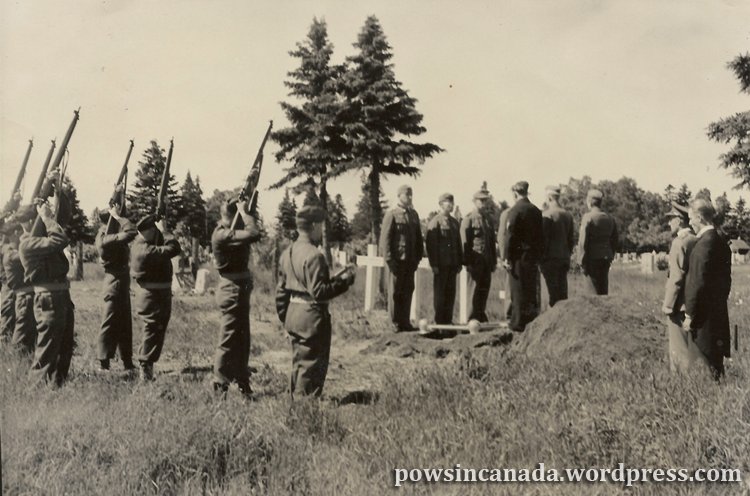
Like Canadian soldiers serving overseas, the standard issue firearm of the Veterans Guard was a bolt-action rifle. The Veterans Guard initially relied on stocks of vintage rifles dating back to the First World War, namely the Canadian built Ross Rifle, the British No. 1 Mk. III SMLE, and the American M1917 (P17). Starting in 1944, these surplus rifles were eventually replaced by the more modern No. 4 Mk. I Enfield.
Ross Rifle
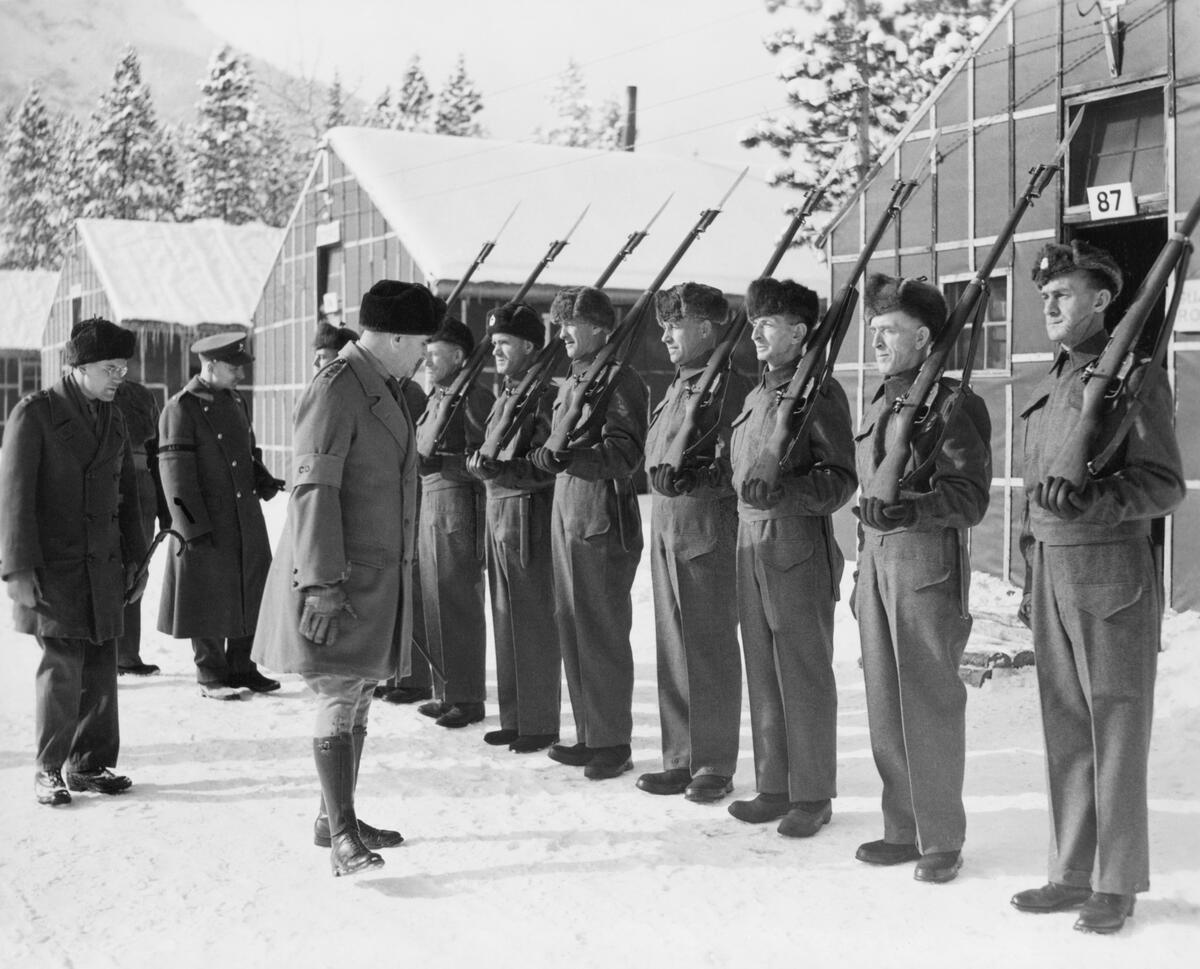
The infamous Ross rifle had served as the standard service rifle of the Canadian Army in the first half of the First World War but it was later withdrawn from service as it proved unsuitable for trench warfare. When war broke out again in 1939, Canada still held significant stocks of these rifles in reserve and, as they were still serviceable, Mk. II and Mk. III Ross Rifles were issued to the Veterans Guard and other homefront and training units. The Ross Rifle remained in service with the Veterans Guard for most of the war until it was eventually phased out by the No. 4 Mk. I Enfield.


No. 1 Mk. III Short Magazine Lee Enfield (SMLE)
The No. 1 Mk. III SMLE had replaced the Ross rifle as the standard infantryman’s rifle in the First World War and remained in active service for the first part of the Second World War. While prewar stocks of these rifles were first allocated to active units headed overseas, some Veterans Guard companies were issued SMLEs. These too were eventually replaced by the No. 4 Mk. I Enfield rifles in the latter part of the war.


M1917 (P17) Enfield
Adopted by the United States army in the First World War, the M1917 Enfield was adapted from the P14 Enfield that American factories were manufacturing for British and Commonwealth forces during the First World War. When war broke out in 1939, Canada purchased thousands of M1917s from the United States to supplement its supply of serviceable rifles. Chambered in .30-06 rather than the standard .303 British, these rifles were often marked with red bands on the rifles’ front stock and butt to avoid confusion.


No. 4 Mk. I Enfield
An updated version of the No. 1 Mk. III SMLE, the No. 4 Mk. I Enfield was the standard service rifle of the Canadian army during the latter half of the Second World War. It took a few years before sufficient numbers of these rifles were produced to meet the demands of active units but the Veterans Guard began receiving these new Enfields in late 1943 to replace their First World War vintage rifles.


Machine Guns
Boosting the Veterans Guards’ firepower, various types of machine guns were issued to individual Veterans Guard companies and to every internment camp in the country. As these weapons were in high demand, limited numbers were available in the early war years of the war and, like their rifles, the Veterans Guard received stock dating back to the First World War. Machine guns were generally mounted in internment camp guard towers but the camps often lacked enough machine guns to arm each guard tower; instead, these guns were placed in specific towers where they could provide fire support if needed. Although these weapons increased the guards’ firepower, machine guns served a far more important psychological effect in deterring escape attempts or riots.
Hotchkiss Machine Gun
A British-made version of the standard machine gun of the French Army in the First World War, the Hotchkiss saw limited service in internment camps in Quebec and Ontario during the early war years. They were soon deemed unsuitable and replaced by Lewis and Bren guns.
Vickers Machine Gun
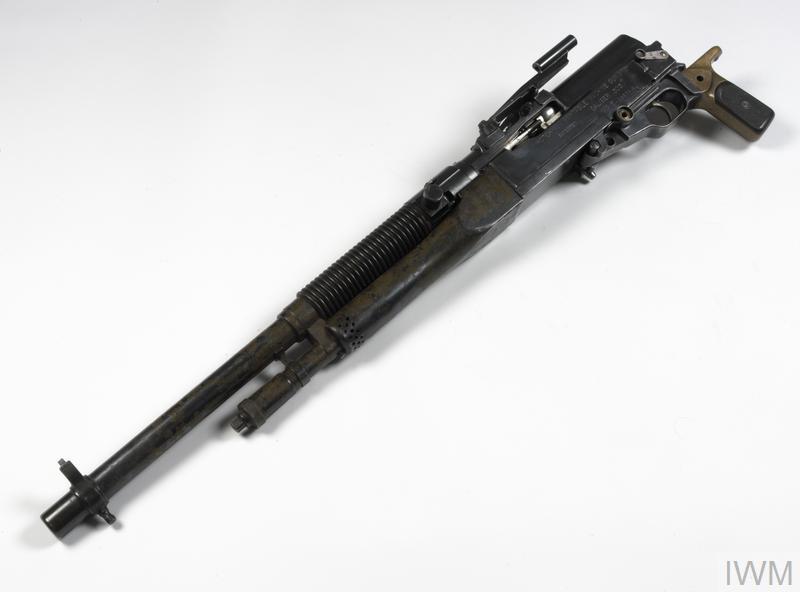
Vickers Machine Guns were briefly issued to some internment camps in 1940 but they were soon withdrawn and transferred to active units headed overseas and replaced by Hotchkiss and Lewis guns. Some active units assigned guard duty at internment camps, like the Ontario Regiment at Camp E (Espanola), brought their own Vickers guns with them and mounted them on towers around the camp.


Lewis Gun
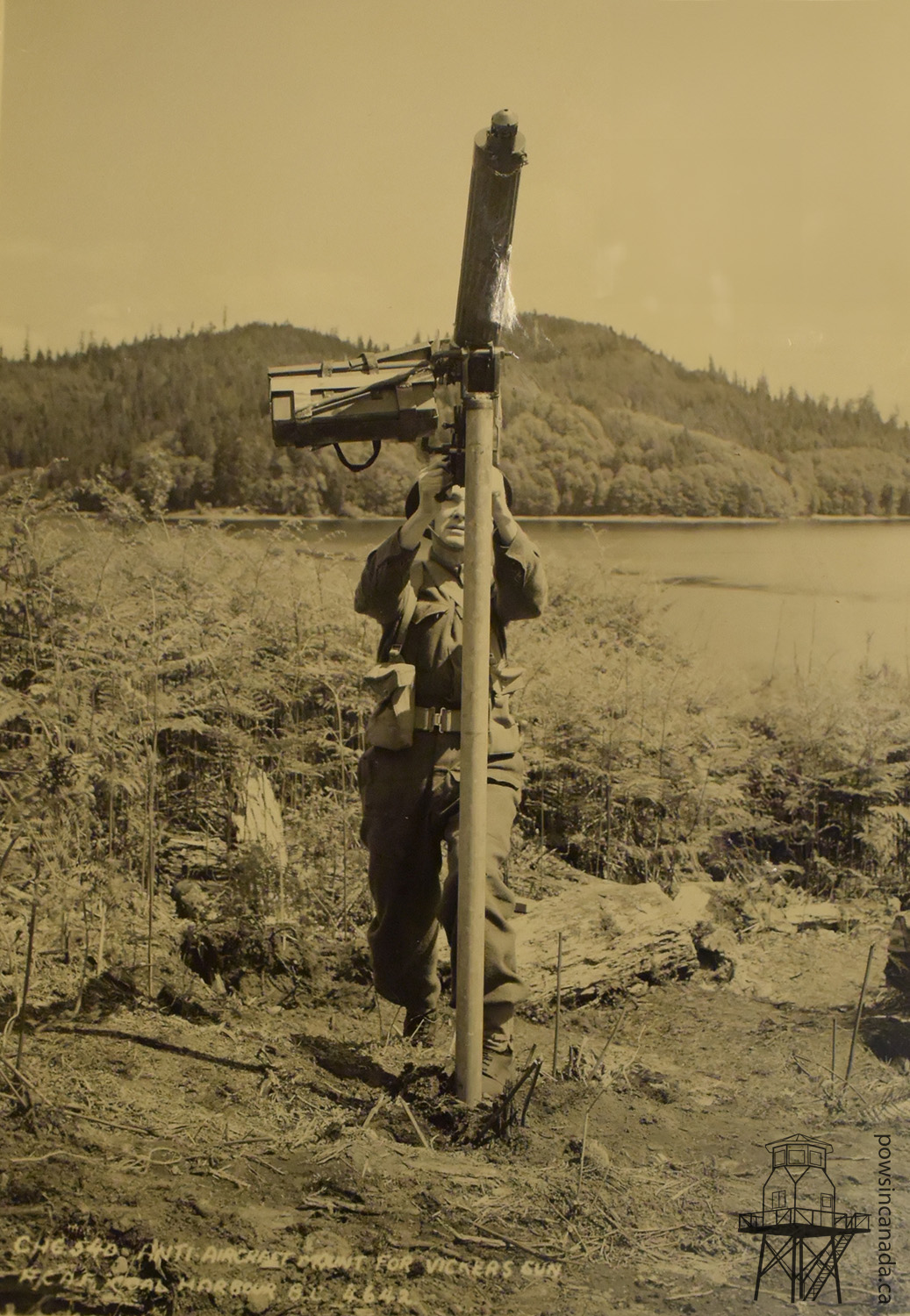
The most common machine gun issued to internment camps in the first half of the war, the Lewis gun had first entered Canadian service in 1915. As of 1941, the Directorate of Internment Operations issued two Lewis guns and four to eight Thompson sub-machine guns to most internment camps, although higher numbers were provided to camps holding German combatant POWs. Lewis guns remained in service for a few years before being phased out by the more modern Bren guns.

Bren Light Machine Gun
The standard light machine gun of the Canadian Army in the Second World War, the Bren gun was slowly introduced to Veterans Guard companies once sufficient numbers became available. By the latter half of the war, the Bren had replaced the Lewis guns as the standard light machine gun issued to internment camps. However, as these camps often lacked sufficient numbers of machine guns for each guard tower, the guards alternated between a Bren or a sub-machine gun in each tower. At Camp 133 (Ozada), for example, twelve of the camp’s twenty-eight towers were issued with Brens while the remainder were armed with Reisings sub-machine guns.


Sub-Machine Guns
Despite their shorter range and perhaps less intimidating appearance, sub-machine guns were originally used in the same manner as machine guns in Canadian prisoner of war camps. The shortage of machine guns in the early war years prompted the Canadian Army to supplement the Veterans Guards’ First World War-era machine guns with Thompson sub-machine guns. Thompsons were later phased out by the Reising sub-machine guns and, later, Sten sub-machine guns. The Sten would eventually become a standard weapon in Veterans Guard companies, especially for those involved with escorting POWs across the country.
Thompson Sub-Machine Gun
Thompson sub-machine guns, more commonly known as “Tommy guns,” were issued to internment camps in the early years of the war to provide increased firepower to guards and to supplement camps’ limited machine guns. As of 1941, the Directorate of Internment Operations issued two Lewis guns and four to eight Thompson sub-machine guns to most internment camps. The Thompsons were withdrawn from internment camps and guard companies in 1942 in favour of the newly-acquired Reisings in order to free them for overseas service.

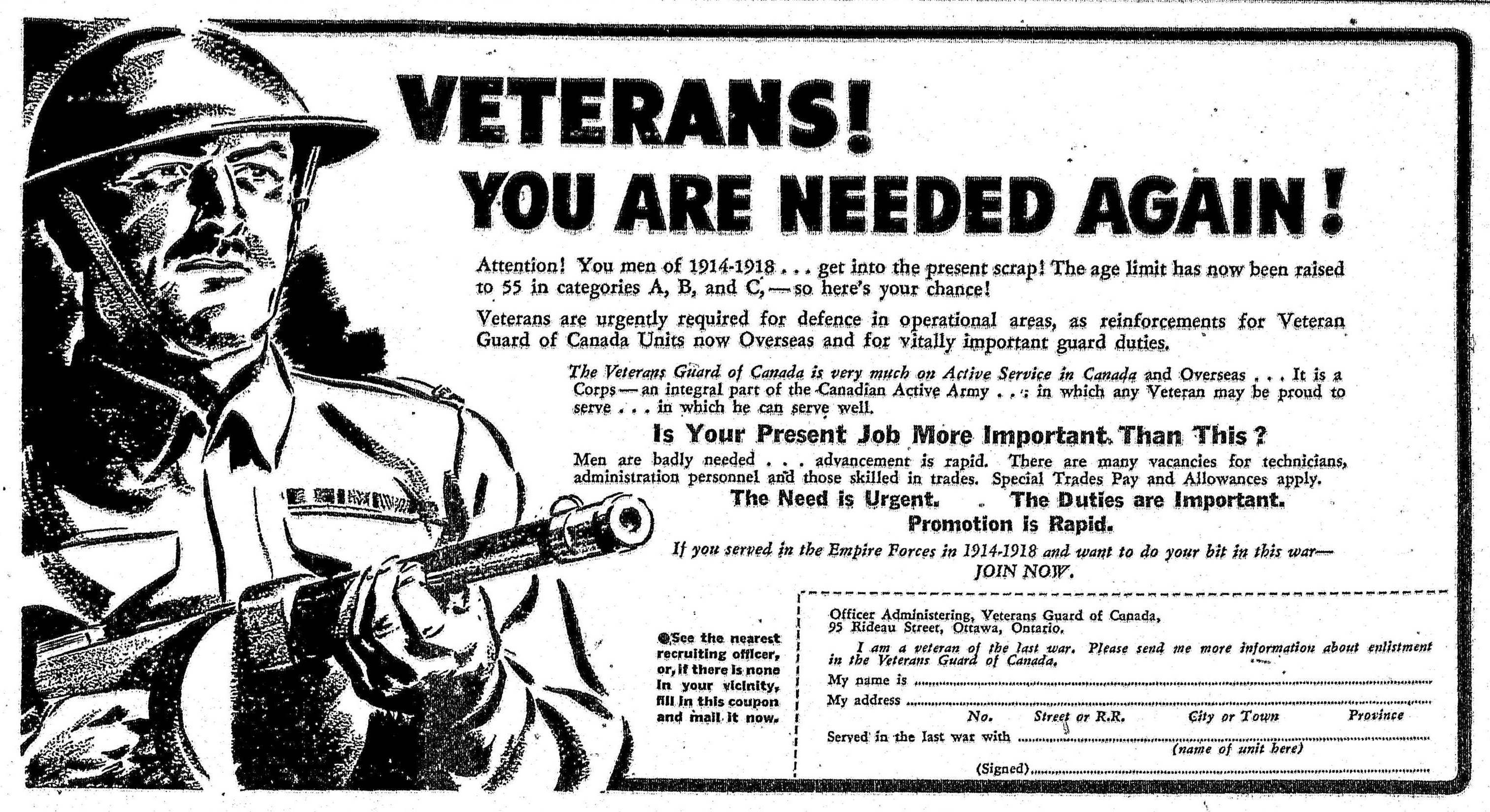
Reising Sub-Machine Gun
A lesser known sub-machine gun, the Reising entered service with the Veterans Guard in 1942 to replace the Thompson sub-machine guns originally issued to internment camps. The Reising provided guards with additional firepower over their bolt-action rifles and these weapons were issued alongside Bren Machine Guns, with most camps alternating between a Bren or Reising in each guard tower.

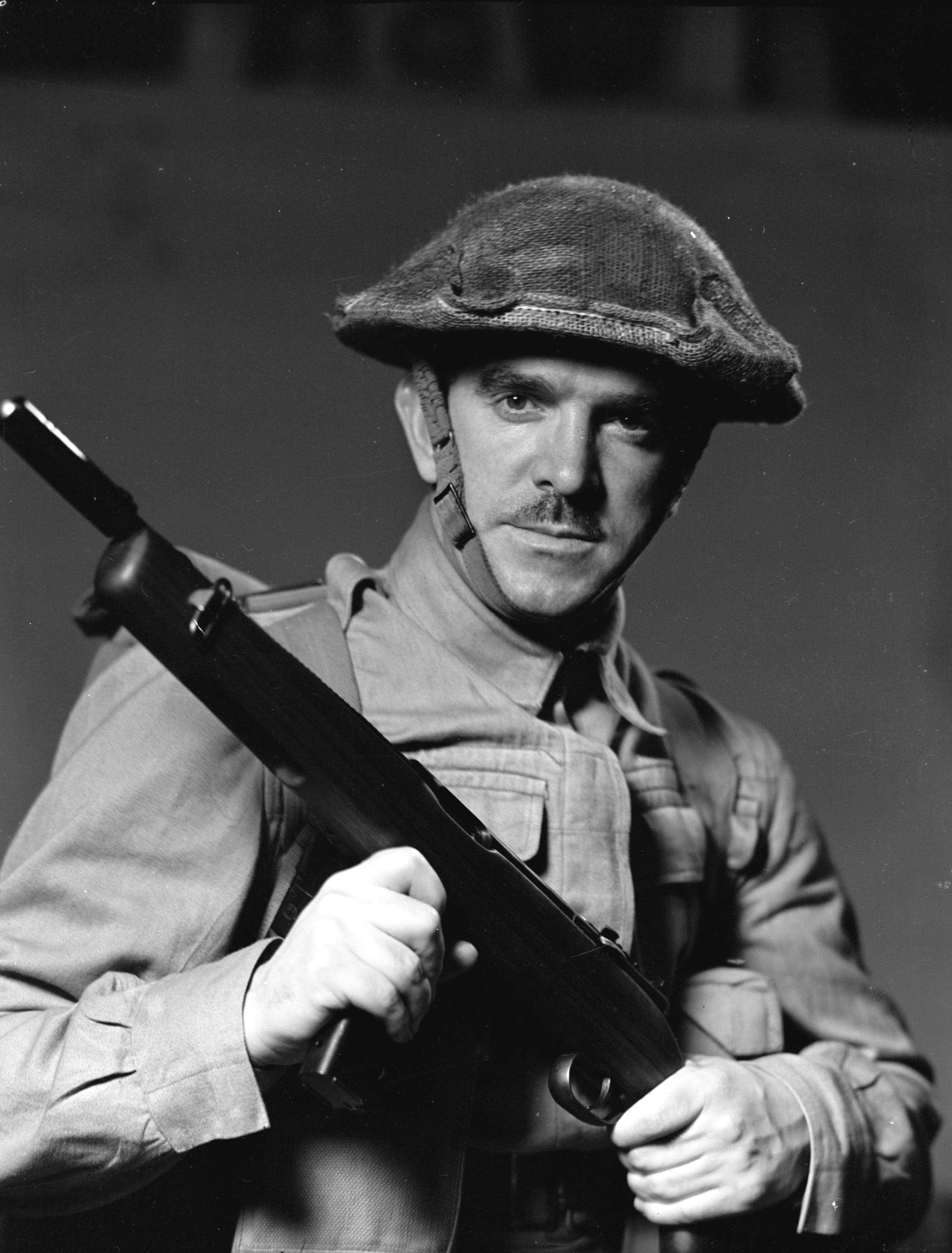
Sten Sub-Machine Gun
The British-designed Sten gun became the standard sub-machine gun of many Commonwealth countries, including Canada, during the Second World War thanks to its relatively simple design and low production cost. As Canadian production of the weapon increased, the Veterans Guard began receiving Stens in 1943. The Sten guns eventually replaced the Reising as the corp’s standard sub-machine gun and, compared to the more cumbersome Enfield rifles, the Sten’s compact size and high rate of fire made it an ideal weapon for train and work escorts .


Shotguns
Shotguns had very limited use in internment camps in Canada. A small number were issued to internment camps in the first years of the war, but were phased out shortly after.
Sidearms
Generally issued only to officers and Non-Commissioned officers (NCOs), several types of sidearms were used by the Veterans Guard during the course of the war. As officers were permitted to use privately purchased firearms, an array of sidearms were used, including service revolvers from the First World War, Colt M1911s, and even .22 “lapel” pistols. The list below is not intended to be exhaustive but instead includes the most commonly issued examples.
Smith & Wesson .38/200 Military & Police
Canada adopted the American-designed Smith and Wesson Military & Police model as the standard sidearm at the beginning of the war. Chambered to accommodate the British .38/200 cartridge, this model was issued throughout the Canadian Army and is believed to be the most common type of sidearm issued to the Veterans Guard for much of the war.

.455 Colt New Service Revolver
First entering Canadian service during the Boer War, the Colt-manufactured New Service Revolver was a popular officers’ sidearm of the First World War. With stocks remaining in the late 1930s, these revolvers were issued once again to fill demand for sidearms. A small number were issued to the Veterans Guard of Canada but were later replaced by the M1911 Colt.

M1911 Colt
Designed in 1911 and still in production today, the American Colt M1911 first saw service with the Canadian Army in the First World War but, like many other examples, was once again re-issued after war broke out in 1939. Examples of this pistol were issued to officers and NCOs in the Veterans Guard as their standard sidearm.

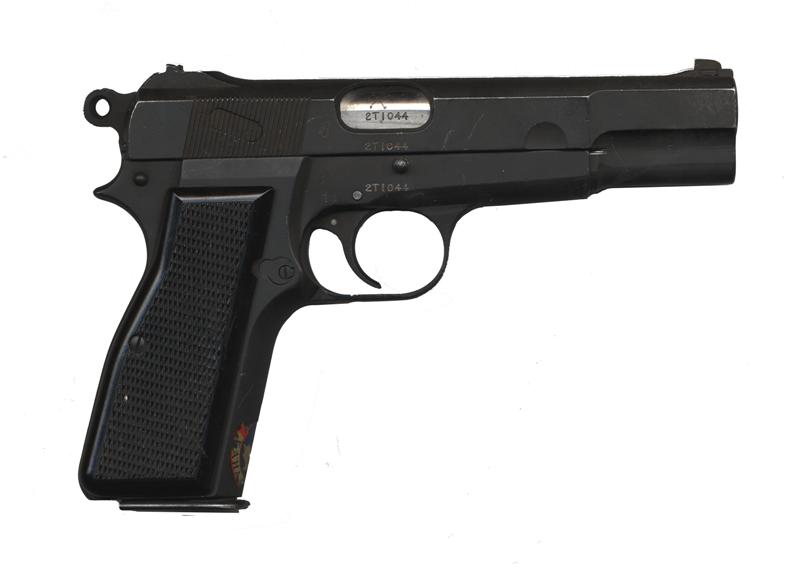
Inglis Hi-Power
In 1944, the John Inglis Company began production of the Browning Hi-Power in Canada and the Veterans Guard started receiving batches of these pistols the following year. These pistols replaced NCOs’ and officers’ service revolvers and M1911s but, as they were introduced late in the war, it is unknown how common Browings were in the Veterans Guard.
Have photos of machine guns, sub-machine guns, or sidearms in use with the Veterans Guard? Please get in touch.
 POWs in Canada