Updated October 2024
Several years ago, I acquired a group of photographs that had come from an unidentified prisoner of war interned in Canada during the Second World War. Included were group shots of prisoners in Camp 133 (Lethbridge), photos taken in a bush camp in Northern Ontario, and photos of prisoners working on a farm. The identities of the men in the photographs and the locations were unknown so I had posted some of the photos back in 2015 in the hope that someone might recognize them. In the years since, I have been able to narrow down my search and hopefully now, with a larger audience and with the help of social media, some more information can be found.
The identity of the Prisoner of War who once owned these photos remains unknown but the group shots from Camp 133 (Lethbridge) indicate he was a combatant prisoner serving in the Germany Army.

After the Canadian government approved the use of POW labour in May 1943, thousands of POWs worked on almost 300 labour projects, or work camps, from British Columbia to Quebec. Most ended up in bush camps in Northern Ontario where they found themselves employed in woodcutting operations for Canadian pulp and paper companies. This prisoner was no exception and was transferred to a bush camp in 1944.
With further research and the help of aerial photographs, I discovered that the bush camp photos were taken at the Pigeon Timber Co.’s Camp 67, one of several of the company’s camps that employed POWs in pulpwood operations north of Neys, Ontario. This particular camp employed roughly 100 POWs from Camp 133 between June 1944 and June 1946. The camp itself was typical of bush camps of the era, with few amenities and no electricity or running water. But there no guard towers or fences either so prisoners were willing to make some concessions.
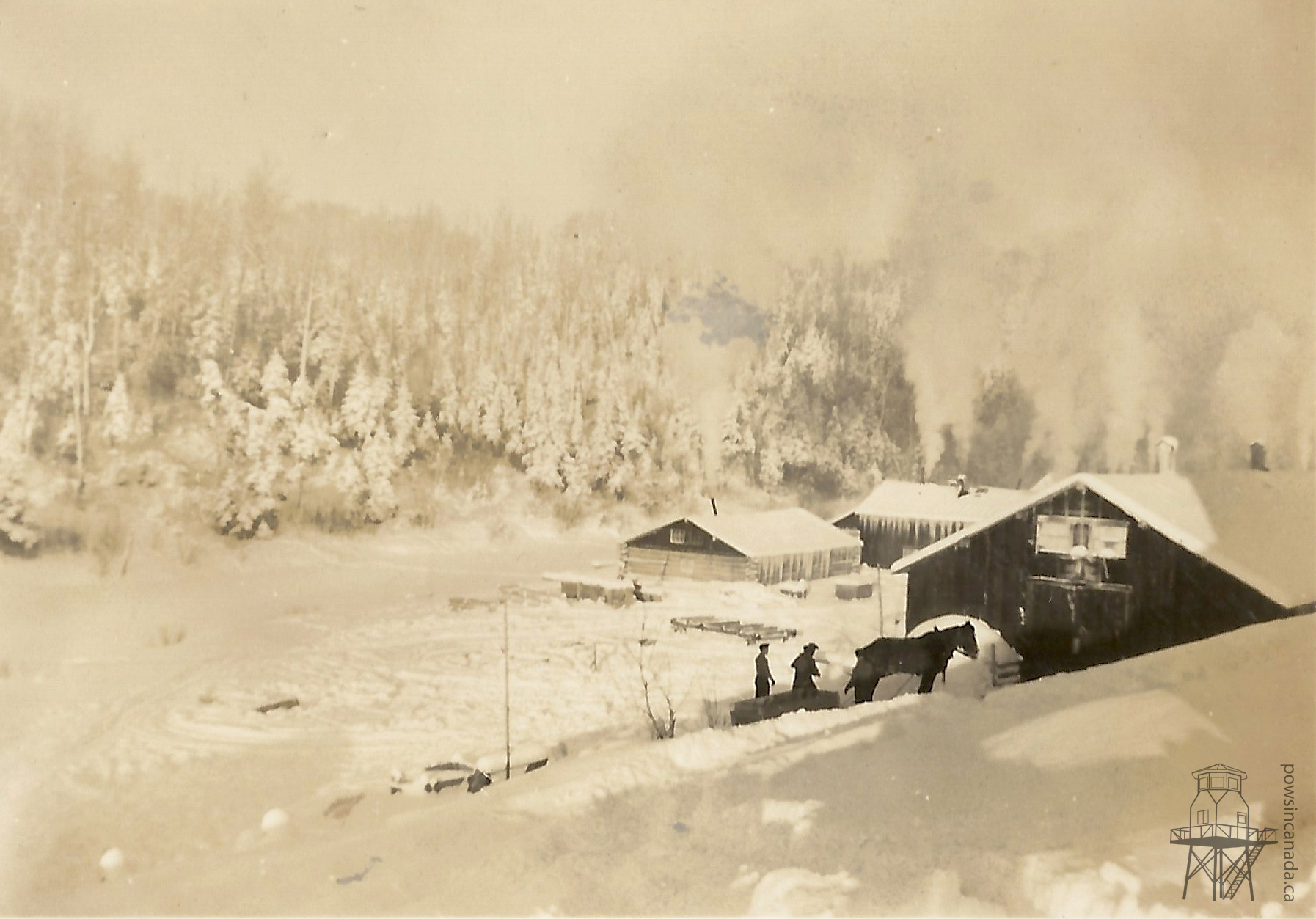
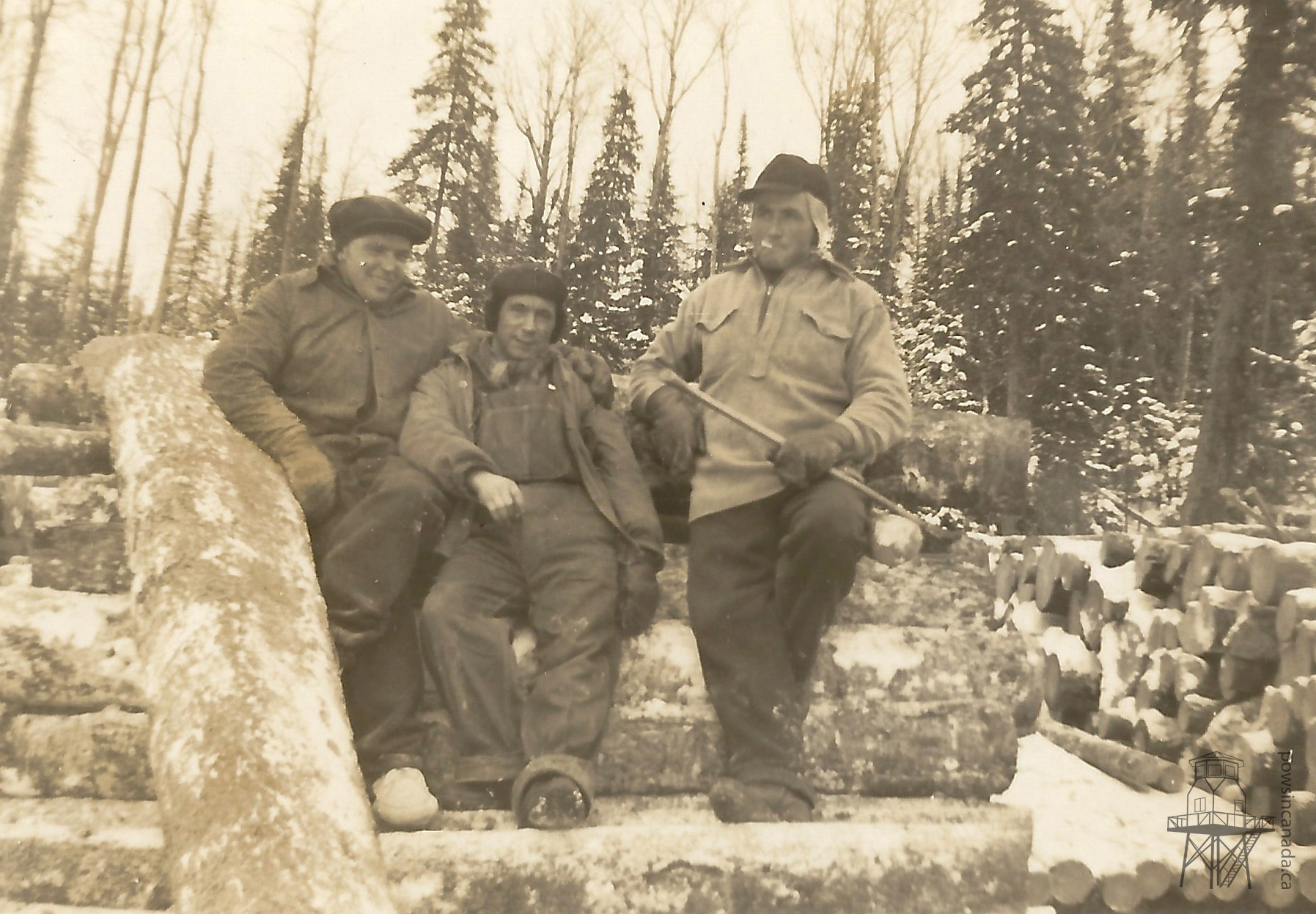
When the Department of Labour recalled prisoners from the bush in 1946, the POWs working for the Pigeon Timber Co. were sent to Camp 23 (Monteith). Selected prisoners were then offered the opportunity to remain in Canada and work on farms for the summer. Our unknown POW volunteered and he and several of his comrades from Camp 67 were soon on their way to Southern Manitoba.
Manitoba was no stranger to POWs by 1946. German POWs first arrived in the province in October 1943 when a group of 440 began cutting fuelwood in Riding Mountain National Park at the Riding Mountain Park Labour Project (now more commonly known as the Whitewater Lake POW Camp). The Manitoba Paper Co. began employing POWs in their Mafeking and Pine Falls-area camps the following year and, in 1945, over 900 POWs from Camp 132 (Medicine Hat) and Camp 133 (Lethbridge) worked on farms throughout the southern part of the province. These prisoners lived in one of several low-security, tented hostels and were loaned out to local farmers to work on beet fields or, when needed, as general farm hands. The prisoners were transferred back to their respective internment camps or to bush camps at the end of the season. But the success of the 1945 season prompted the Manitoba Government and Manitoba Sugar Co. to expand the program in 1946. That year, over 1,100 POWs worked from some twenty-five farm hostels scattered across Southern Manitoba.
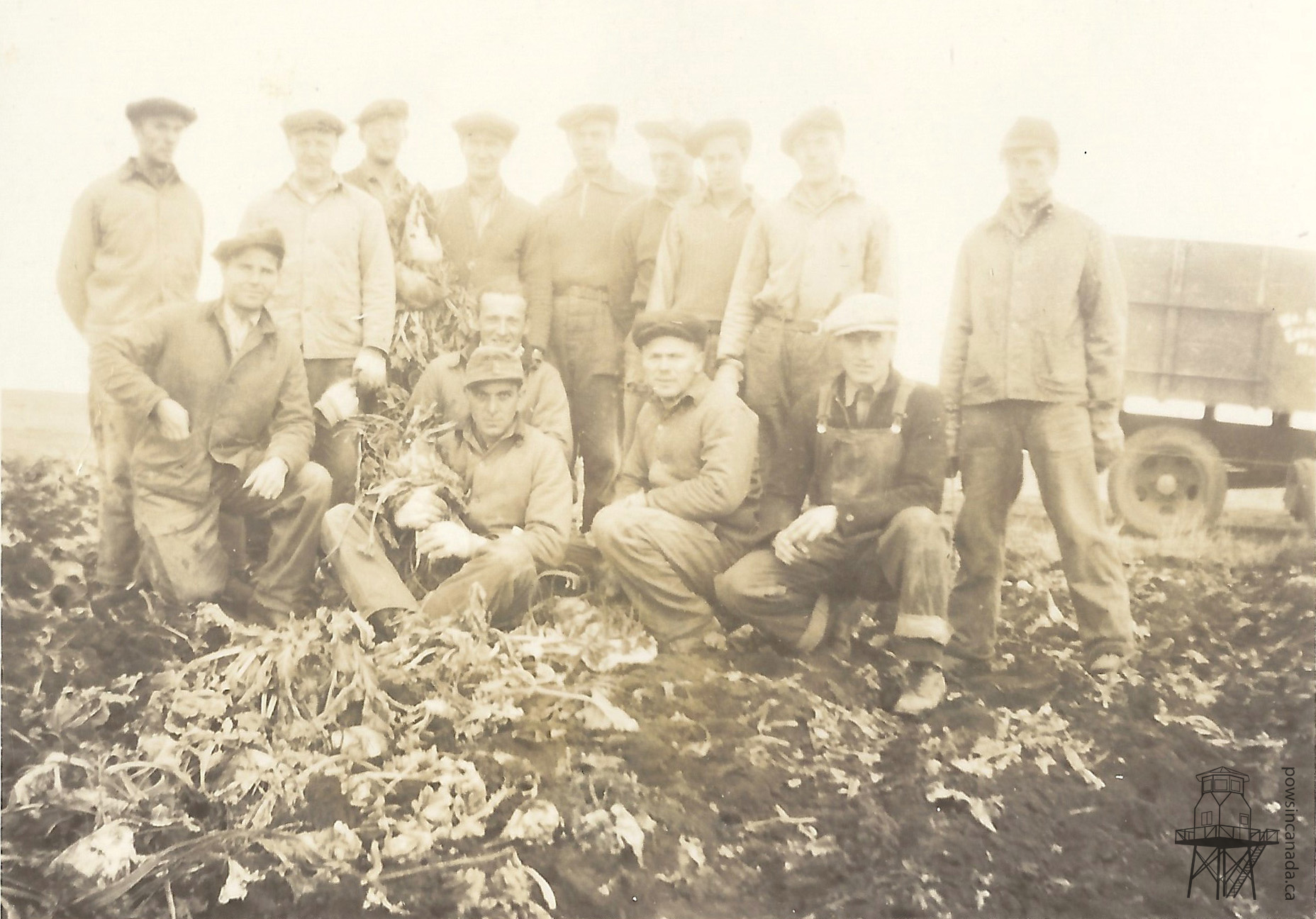
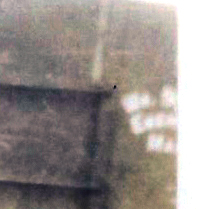
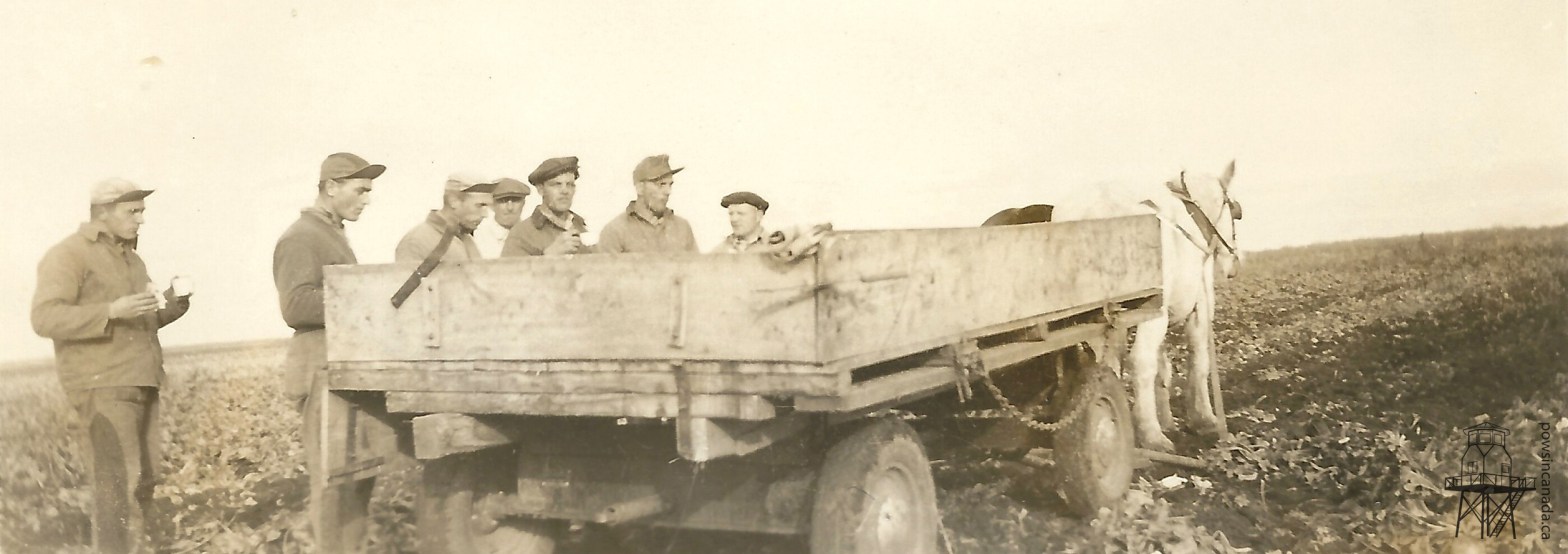
Nominal rolls indicate that the POWs who had worked at Pigeon Timber Co.’s Camp 67 were transferred together to the farm hostel near Emerson, Manitoba. This indicates the farm photographs were taken in 1946 and sometime around late Summer or early Fall judging from their attire and the state of the beets. The name on the side of a truck in one of the photographs also suggests they were working around Emerson. Although half the text is omitted, I assume a standard practice for labeling a truck would have been “Farmer or Company Name / Town or City / Province,” my assumption is that it likely reads “Wm. _____ / Emerson / Man.”
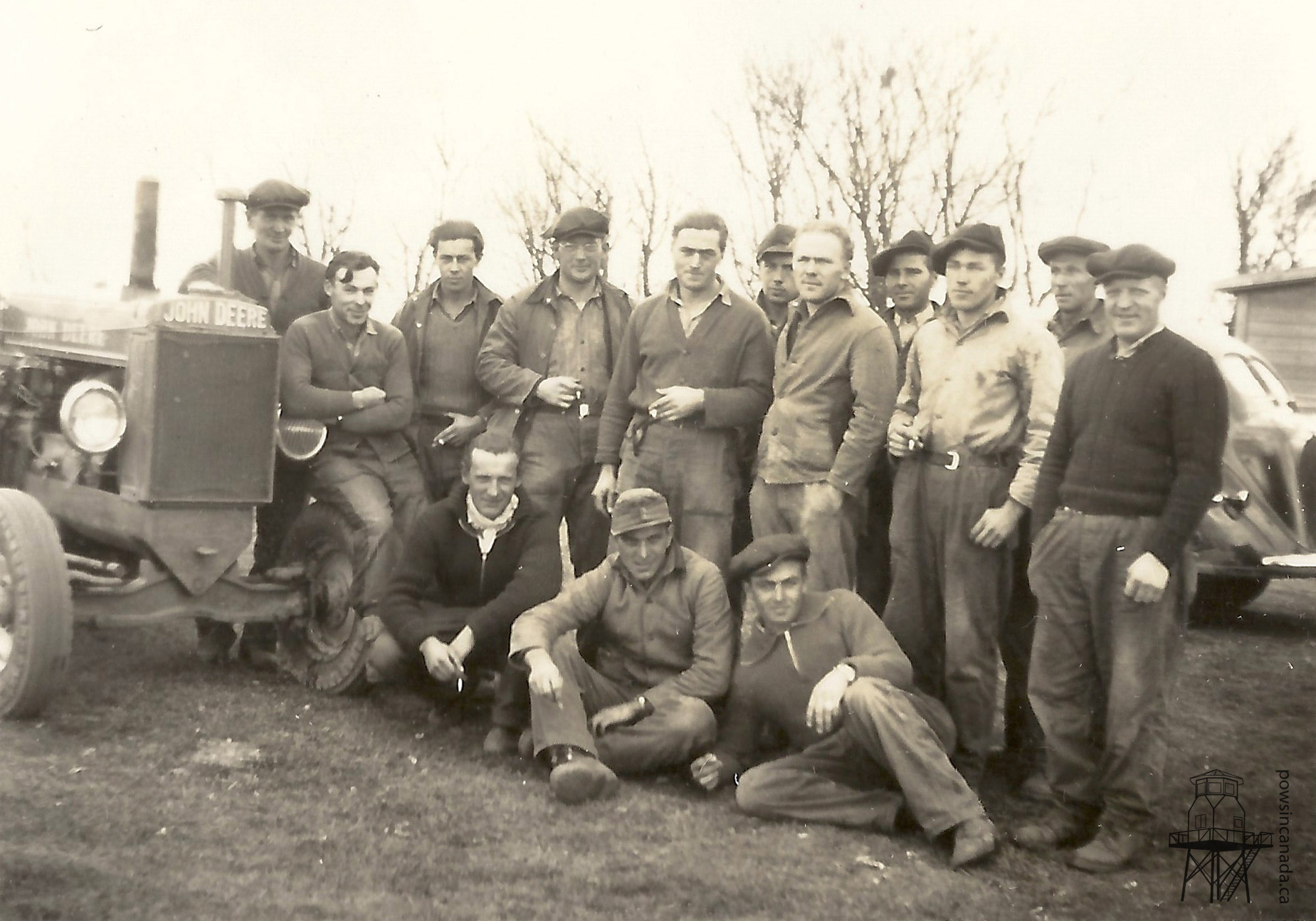
Most of the records pertaining to POWs on Manitoba farms have not survived so the identity of “Wm. —” (or William —) or the POWs in his employ remains unknown. Regardless, POWs generally worked for several farmers throughout the season and there was no guarantee that the farmer they worked for one day would be the same the next.
October 2024 Update: Thanks to help from members of the Vintage Southern Manitoba Facebook group, the owner of the truck and employer of the POWs has likely been identified as William (Bill) McFadden. Born in 1897, Bill McFadden was teh son of David Henry McFadden, an MLA, Veterinary Surgeon, and Mayor of Emerson. Bill began work as a Fieldman for the Manitoba Sugar Company in 1943 and was known to have employed prisoners on his farm north of Emerson.
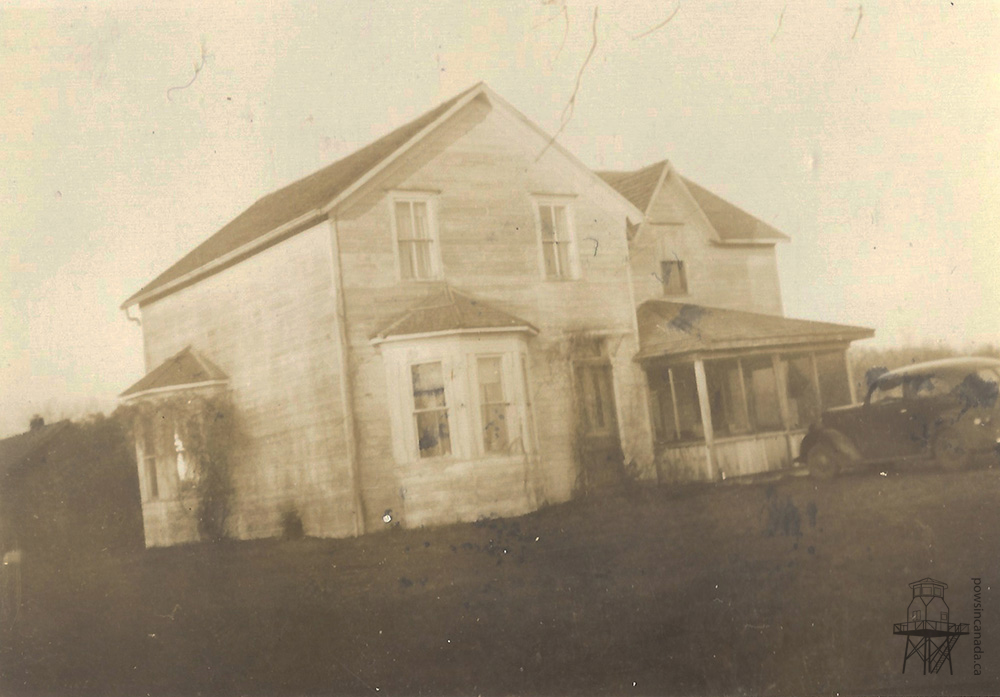
While most prisoners worked from hostels, some were placed on individual farms in 1946. These POWs lived with the farmers and their families and worked as general farm hands. Perhaps the farmhouse pictured above was the temporary home of one such POW or maybe he just worked on this particular farm.
While the odds of identifying the prisoners, the farm or the owner of the truck are slim, stranger things have happened! If you happen to have any leads, please get in touch by commenting below or sending me an email. And, if you are new to my site and want to learn more about POWs in Canada, sign up for new post notifications by entering your email address at the bottom of this page.
 POWs in Canada
I remember my father, Gerhard Schultz of Emerson, saying that he had POW’s that worked on his farm. I believe he had said that they were housed at Fort Dufferin and then transported to the farm daily. He was fluent in German and said the men were quite congenial with the exception of a Colonel who you did not want to turn your back on. I don’t recall what year this was and he has since passed on.